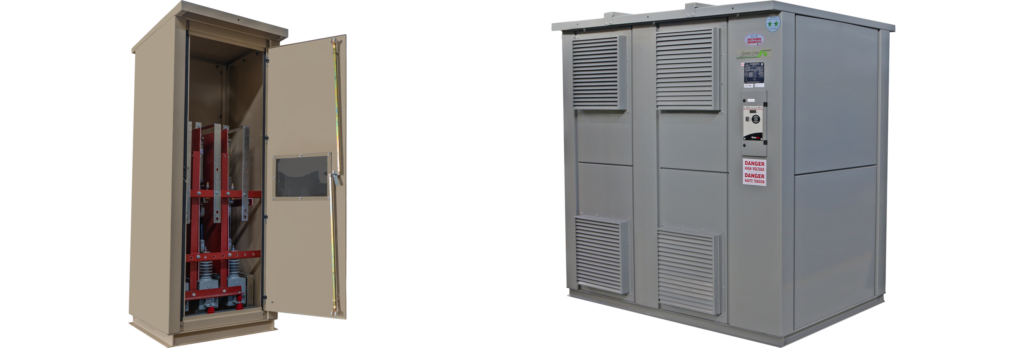
Transformers are essential parts of electrical systems because they make it easier for electrical energy to move between circuits with varying voltages. Whether you’re stepping up voltage for long-distance transmission or stepping it down for safe residential and industrial use, transformer design plays a crucial role in ensuring efficiency, safety, and reliability. In this article, we’ll explore the power transformer design, the critical factors involved in designing transformers, and the key transformer specifications that guide their optimal performance.
Understanding Power Transformer Design
The power transformer design is a meticulous process that involves careful consideration of electrical, mechanical, and thermal properties. The goal of designing a transformer is to create a device that can handle the required voltage levels, power ratings, and operational conditions. The specification of the transformer is based on the type of application, such as power generation, transmission, or distribution. Each transformer design is customized to meet specific requirements like efficiency, cooling methods, load capacity, and safety features.
Key Factors in Designing Transformers
When you design a transformer, several factors need to be considered to ensure that it performs optimally and safely:
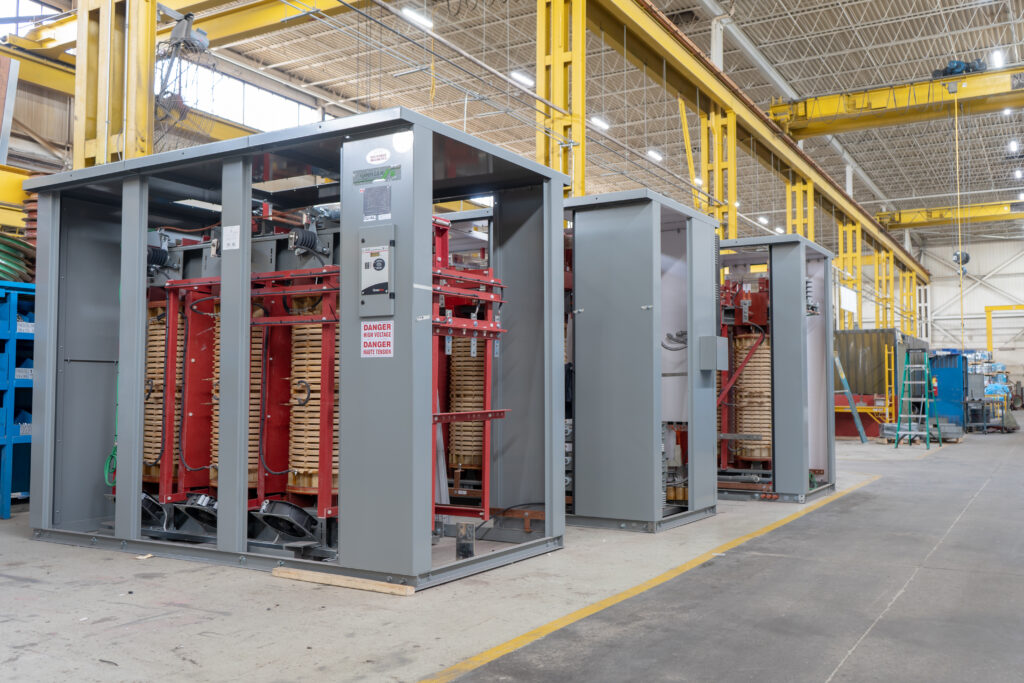
Core Design: The core material and its shape play a significant role in the transformer’s efficiency. Silicon steel and other materials with high magnetic permeability are frequently utilized to reduce energy loss.
Windings: Electrical energy is transferred by means of the windings. The number of turns in the primary and secondary coils, as well as the wire’s material (typically copper or aluminum), are critical in determining the voltage and current levels of the transformer.
Cooling Method: Maintaining the transformer’s performance requires cooling. Depending on their size, use, and climate, transformers can be cooled with either oil (oil-immersed transformers) or air (dry-type transformers).
Insulation: Proper insulation ensures that the windings and other electrical components do not come into contact with each other, preventing short circuits and failures. High-quality insulation materials, such as paper, oil, and synthetic resins, are commonly used in transformer designs.
Safety and Protection Features: Transformers are designed to handle high voltage and current, so it is essential to incorporate protective elements such as bushings, tap changers, and relays to prevent damage and ensure safe operation.
Key Transformer Specifications
The transformer specifications define the limits within which a transformer will operate safely and efficiently. Below are the essential specifications that need to be considered when designing a power transformer:
Voltage Rating: The voltage rating of the transformer defines the maximum voltage the transformer can handle. This includes both the primary and secondary voltage ratings, which determine the level of voltage transformation.
Power Rating: The power rating, which is typically expressed in megavolt-amperes (MVA) or kilovolt-amperes (kVA), shows the highest power that the transformer can manage without failing or overheating.
Impedance: The impedance of a transformer defines the resistance to the current flow. It is crucial for determining the voltage drop, load sharing, and short-circuit performance.
Frequency: Transformers are designed to operate at a specific frequency, typically 50 Hz or 60 Hz, depending on the region. The frequency affects the transformer’s core design and overall performance.
Temperature Rise: The permitted temperature increase while the transformer is operating is indicated by the temperature rise standard. It is a critical factor in ensuring the transformer’s longevity and safe operation.
Efficiency: Transformer efficiency is a key specification, representing the ratio of output power to input power. High efficiency is essential for minimizing energy loss and operating costs.
Tap Changing Mechanism: Transformers often come with tap changers that allow for voltage adjustment under varying load conditions. Designing transformers to incorporate automatic or manual tap changers is essential for maintaining stable voltage.
The power transformer design process involves a careful balance of electrical engineering principles, material selection, and safety features. By understanding the critical transformer specifications, such as voltage rating, impedance, and cooling methods, engineers can create efficient and reliable transformers that meet specific industrial and commercial needs. Whether you’re tasked with designing transformers for power plants, transmission grids, or distribution systems, these key design considerations and specifications ensure that the transformer performs optimally throughout its service life.
Incorporating the correct specification of the transformer is vital for achieving maximum efficiency, safety, and reliability in any electrical system.